
What to Look for in a Wedding Venue: A Complete Guide for Indiana Couples
Choosing a wedding venue is often the next big decision after she says, “Yes!”. It sets the trajectory for everything else; your date, your guest list, your visual aesthetic, and the physical experience of your entire celebration are all built on top of the space you select first. According to the The Knot 2026 Real Weddings Study, couples spent an average of $34,200 on their wedding in 2025, with venue costs averaging $12,900 of that total, making the venue the largest single investment in the entire planning process. Knowing what to look for in a wedding venue before you walk through a single door transforms one of the most emotional decisions you will ever make into one you can feel genuinely confident about.
Start with Your Vision, Not Your Search
Before you begin searching for availability dates, decide what your day should feel like. The couples who leave a venue tour with true clarity are almost always the ones who walked in knowing what atmosphere they were seeking, not just which Saturdays were open.
Indoor vs. Outdoor: What Works for Your Wedding Style
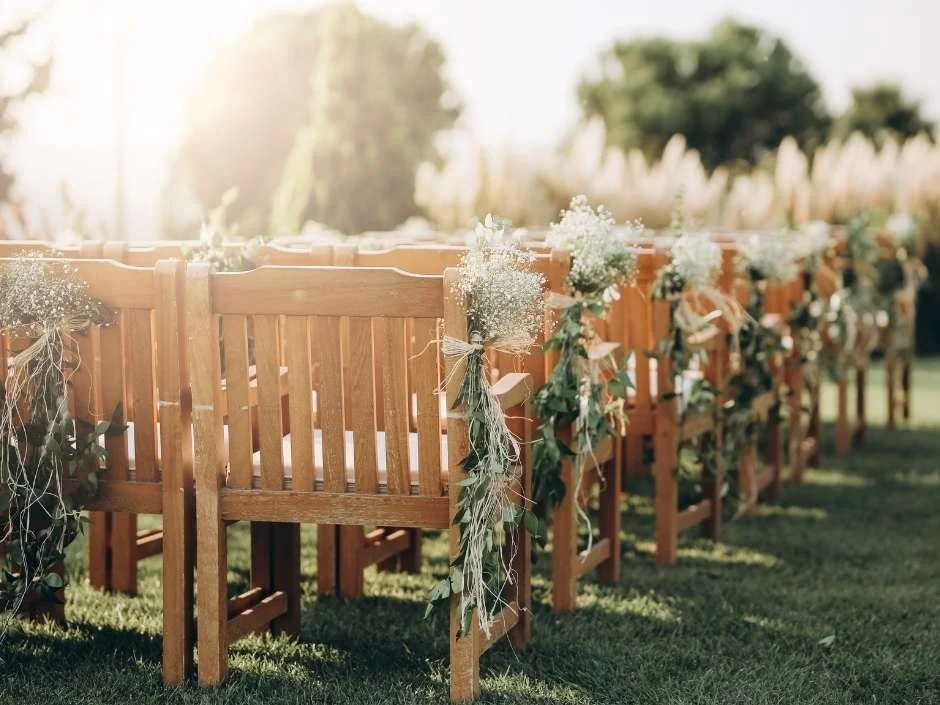
Comparing the pros and cons of indoor-versus-outdoor wedding venues impacts nearly every other venue decision. Outdoor ceremonies during Indiana's spring and fall seasons can be stunning and picturesque, but they require good weather with a clear “weather-contingent” plan and a venue team that has practiced pivoting gracefully when conditions change. Indoor spaces offer year-round reliability, consistent lighting for photography, and better acoustic control for the vows and toasts that deserve to be heard clearly.
This is not purely an aesthetic choice. An outdoor ceremony lawn with no covered backup introduces a variable that careful planning cannot eliminate. Before falling in love with a garden setting straight out of a fairytale, ask the venue what happens if it rains, where does the ceremony move, and how quickly can that transition happen? A venue with a practiced, specific answer is a different kind of partner than one that says everything will work out.
Historic Charm vs. Modern Blank Slate
Not every beautiful space is right for every couple, and understanding the difference between a venue that brings atmosphere with it and one that offers a neutral starting point is one of the most clarifying moments in the search. Historic venues provide built-in character: original architecture, period detail, and the visual weight of a space that has meaning before a single arrangement is placed. That character is not free in a blank-slate venue. It is rented, constructed, or approximated at a cost that accumulates.
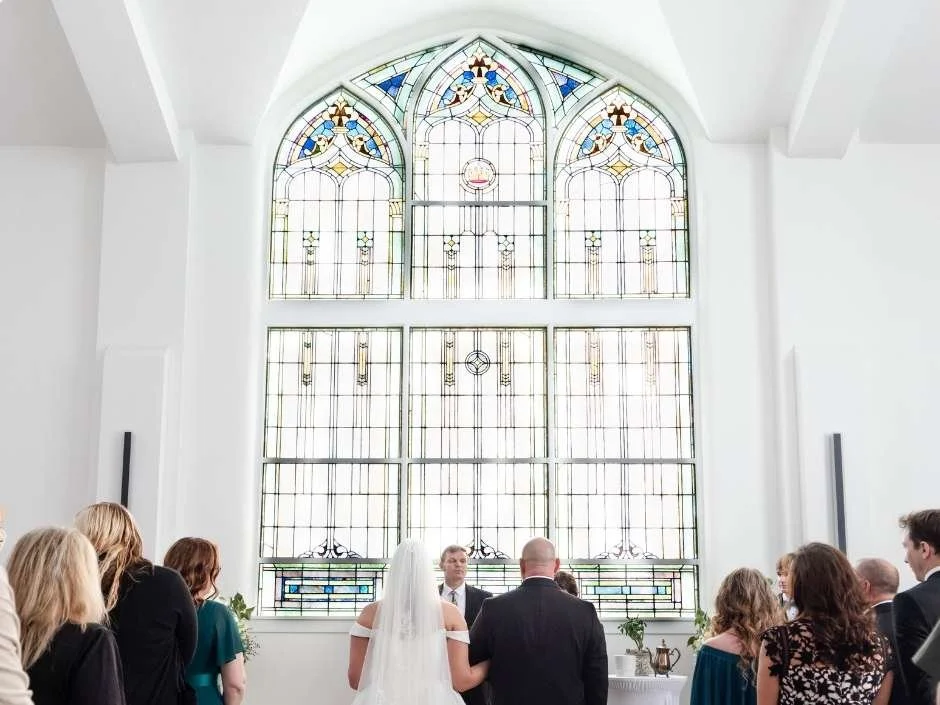
Modern blank-slate venues offer more creative freedom, flexibility to work with any vendor, and a setting that can be shaped entirely around the couple's preferences rather than the building's identity. For couples with a precise aesthetic vision that does not map onto existing architecture, that freedom is valuable.
Gen Z now represents 41% of the wedding market and strongly favors non-traditional venues including historic buildings, galleries, and unique architectural spaces over conventional banquet halls. That preference reflects what many couples already feel: that the space itself should carry some of the story.
Comparing Rustic, Historic, Modern, and Luxury Wedding Venue Styles
Indiana's venue landscape spans a wider range of aesthetic categories than most couples realize before they begin searching. Rustic barn venues dominate the Northern Indiana and Central Indiana countryside and offer warmth, natural materials, and a relaxed outdoor-meets-indoor atmosphere. Luxury wedding venues in the region, including restored estates, country clubs, and boutique hotel spaces, bring formal elegance and full-service amenities. Modern minimalist spaces, particularly in urban areas, offer clean-line environments that photograph beautifully and adapt to almost any color story. Historic and boho-inspired venues occupy their own distinct category, with original architectural detail and a character that makes every photograph feel grounded in place.
As Minted's venue selection guide notes, ensuring the venue aligns with your wedding vision is one of the 13 most critical selection factors. A rustic theme does not translate to a luxury ballroom, and a formal black-tie wedding loses something essential in a casual barn setting. The match between aesthetic intent and physical space is not cosmetic. It determines how much decoration budget is needed to close the gap between what a venue is and what a couple is trying to make it feel like.
The earliest and most useful planning question is not "which venues are available?" but "which style of venue gives us what we are already imagining?" That clarity makes every tour more productive.
All-in-One Wedding Venue Options
A somewhat newer trend in the wedding industry is using the venue space to incorporate all events tied into the wedding day. Roughly 71% of U.S. weddings in 2025 spanned two to three days, according to 2025 wedding spending and trends, which means couples are also evaluating whether a venue can accommodate a rehearsal dinner, welcome event, or day-after brunch, not just the ceremony and reception themselves.
Kaleidoscope Weddings and Events in Pierceton, Indiana is a perfect example of what a thoughtfully restored historic space offers. Scenery includes a beautifully converted church with original stained glass, customizable ceremony and reception spaces under one roof, and a design philosophy built around each couple's specific story. After hosting 65 ceremonies in 2025 with a 4.5+ average review score on The Knot, Kaleidoscope was named a Knot Best of Weddings 2026 winner, an honor given to fewer than 5% of wedding venues listed on the platform. Whatever venue you are considering, that kind of recognition from real couples is one of the most reliable signals that a space delivers what it promises.
The Wedding Venue Checklist Every Couple Needs
A clear-path wedding venue checklist covers capacity, layout, pricing transparency, vendor restrictions, setup access, and contract terms. It is the tool that turns an emotionally compelling tour into a comparative evaluation you can act on, and it is most useful when you bring it before you say “I do,” not after.
Comfortable Capacity
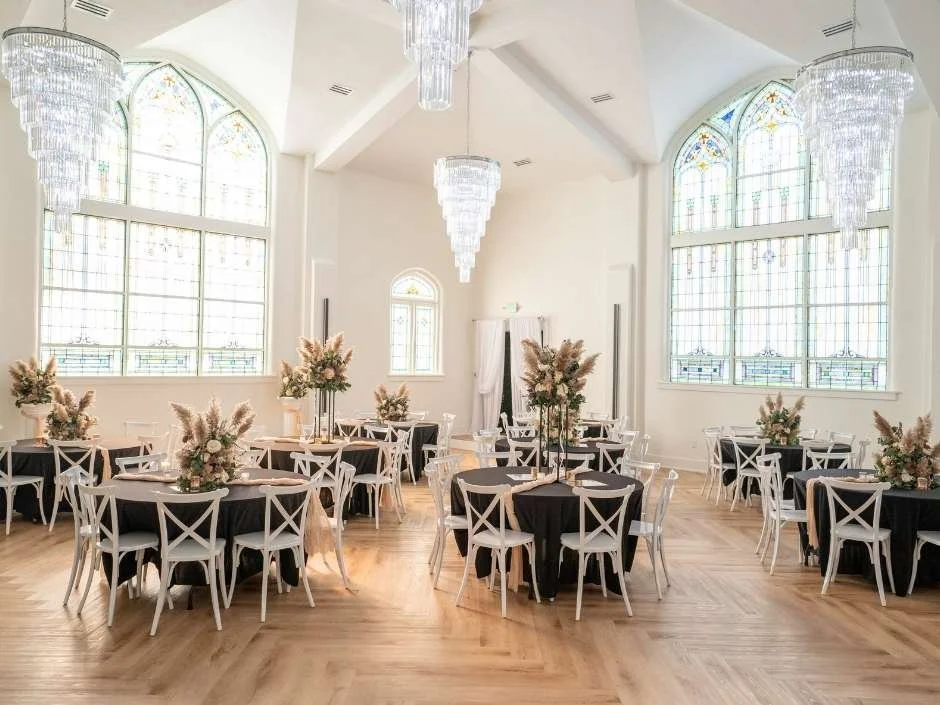
Ask for a floor plan from a previous event at your specific guest count, because the capacity number in a venue contract is a theoretical maximum. Venue red flags guests notice after the dance floor, bar station, DJ table, dessert table, and photo backdrop are in place, is the remaining functional square footage available. A room that seats 200 according to the contract may accommodate 140 comfortably once a real event layout is applied.
The feeling of having enough space to celebrate can drop substantially from the contracted figure. If the venue cannot provide a blueprint of a previous wedding, that is worth noting before you move forward.
Favorable Flow
Flow matters as much as capacity. The way guests move between the ceremony space, cocktail hour area, and reception room directly shapes how the evening feels. A venue with a graceful, well-signed transition between those three phases keeps energy and momentum intact. Setups that require guests to navigate a crowded corridor, wait outside in uncertain weather, or re-enter a room still being reset creates friction that never announces itself as a problem but shows up in how the evening feels. Tour the venue as a guest, not as someone on a curated walkthrough.
Reliable Layout
Flow and capacity largely depend on the layout. Table placement determines where your guests spend most of the night. The DJ’s turntables and the bar’s location determine how the room flows during the reception and can favor a lively dance floor or end up a buzzkill. These are not details that sort themselves out after signing. They are questions to settle during the tour.
Per the Baywood Weddings venue planning guide, knowing whether tables and chairs can be rearranged, what décor the venue provides, and how the space accommodates guests with different mobility needs are all part of it.

Setup and Teardown Time is Crucial
Venues that host multiple events on the same day operate on compressed timelines, and the setup and teardown windows they offer shape what your vendor team can accomplish. A florist constructing a ceremony arch needs different time than a DJ running cables. If the venue's access window begins two hours before your ceremony, some of what you are imagining may not be ready when guests arrive.
Ask specifically when vendors can enter and when the space must be fully cleared, including the venue’s access to your other vendors. Overtime fees, rushed breakdowns, and vendor fatigue are common downstream consequences of not asking this question upfront. According to The Knot Worldwide 2026 Real Weddings Study, 85% of couples said the economy affected their wedding planning in 2025, yet 77% of those who adjusted their budgets increased their spending rather than scaling back, reflecting how much couples value getting the day right. The checklist exists precisely to protect that investment.
The checklist and the questions that follow work together. Knowing what to evaluate in a space sets up the questions that confirm what you found there.
Questions to Ask a Wedding Venue Before You Sign Anything
Before signing any venue contract, ask about total pricing including all mandatory fees, vendor restrictions and associated costs, setup and teardown access windows, exclusive-use policies, and what happens if the venue needs to cancel. A venue with a transparent operation has specific, ready answers to all of those questions. One that hedges or defers is showing you something important about how future conversations will go.
Pricing, Packages, and Hidden Fees
Common hidden fees at wedding venues include overtime charges, cake-cutting fees, service charges on catering and staffing, climate control surcharges, and external vendor fees, none of which typically appear in a base rental quote. As of May 12, 2025, the Federal Trade Commission's Rule on Unfair or Deceptive Fees requires businesses that advertise prices to disclose the total cost upfront, with no charges added after commitment, according to FTC guidance on upfront price disclosure. Bring that standard to every venue pricing conversation you have.
Wedding venues’ service charges run 20% to 22% on top of food, beverage, and staffing costs, a standard industry practice that is not always disclosed during initial pricing discussions. A standard deposit to secure your date typically runs between 25 and 50% of total cost, and any non-refundable terms must appear in writing before you sign. These are important and are the major things to look for in a wedding contract. According to Here Comes the Guide’s 50 questions to ask a wedding venue, the hidden additions couples most commonly miss during tours are exactly these line items, and the couples who ask about them directly tend to have far fewer budget surprises later. Request a complete itemized cost breakdown before you compare venues on price. You cannot compare what you cannot fully see.
Vendor Policies and Catering Restrictions
Some venues operate with an open vendor policy that lets you bring in the caterer, florist, DJ, and photographer of your choosing. Others maintain a preferred vendor list with varying degrees of requirement around working within it. Both models can produce beautiful celebrations. What matters is knowing which model a venue uses before you commit emotionally to a vendor who cannot work there.
Catering exclusivity is worth examining closely. A venue that provides in-house catering may offer real convenience, but it also means the per-head cost is fixed and not negotiable. A venue with an open catering policy gives you the ability to source food and bar service that genuinely matches your guest list's preferences and your actual budget. Ask directly whether outside vendors are permitted, whether a corkage fee applies, and whether any surcharges exist for working with professionals outside the preferred list. Every undisclosed vendor fee is a dollar that will not go toward the things your guests will remember.
A venue that answers those questions directly, completely, and without defensiveness is showing you how they will communicate across the entire planning process.
Availability, Exclusivity, and Date Flexibility
One of the most important questions couples skip is whether another event will be scheduled on the same day as theirs. Many venues host multiple weddings or events within the same day, particularly during peak season. If a second event is booked before or after yours, that affects vendor setup windows, parking availability, noise levels during transitions, and the overall exclusivity of the experience.
Ask directly: will our wedding be the only event at this venue on our date? If not, ask how the two events will be separated spatially, how the staff will be divided, and whether vendor access to your specific space begins before the prior event ends. Checking availability for your specific date and determining whether the venue offers full exclusive use are among the most essential questions to ask before signing. If flexible on your date, it is worth asking whether a weekday, Sunday, or off-season date would change the pricing or the exclusivity terms. Venue rates for weekday and winter bookings are often 20 to 30% lower than peak Saturday pricing, and exclusive-use arrangements become easier to negotiate when competition for the date is lower.
Accessibility, Parking, and Guest Logistics
Two of the first impressions your guests will form about your venue have nothing to do with the décor. They arrive in a parking lot and walk a path to the door. If either of those experiences is difficult, that impression precedes everything else the venue is offering. Two vital selection factors are location and accessibility: consider your guest list's specific needs including accessible parking, ramp access, and whether any guests with mobility considerations will be accommodated without difficulty.
Ask about the total parking capacity for your guest count, whether the lot is well-lit and clearly marked for guests arriving after dark, and whether nearby hotels or transportation options exist for guests traveling from out of town. If a significant portion of your guest list is elderly or has mobility needs, walk the path from parking to the ceremony space and back out again. A venue that passes that test at the touring stage will not produce surprise logistics problems on the day itself.
Day-of Services and On-Site Support
A wedding venue is not just a space. The services that come with it directly shape how smooth or stressful your planning and your day actually feel. Before comparing venues on aesthetics and location alone, ask what services are available in-house.
Bar and beverage management is one of the most practically significant variables in the day-of experience. Kaleidoscope's beverage and bar services eliminate one of the most complex logistical pieces couples often have to source, license, and manage independently. Personal decor setup, available through Kaleidoscope's decor setup service removes another layer of wedding-morning stress by placing the physical setup of personal items and décor details in the hands of the venue team rather than the couple or their family. A dedicated day-of event coordinator is also available to handle timeline management, vendor communication, and the inevitable small decisions that arise from the moment the first vendor arrives through the final guest's departure.
When evaluating any venue, ask what day-of services are included versus available as add-ons versus entirely absent. The difference between a venue that provides these services and one that does not is not simply a line item on the contract. It is the difference between a couple who spends their wedding morning celebrating and one who spends it managing.
What a Wedding Venue Tour Reveals That Photos Cannot
A venue tour reveals the maintenance quality, the functional flow of the space, the team's communication style, and whether the setting genuinely matches your vision at the scale you will use it. This is information that no website gallery, Instagram feed, or brochure can provide.

What to Watch For Beyond the Pretty Photos
Every venue looks its best in the materials used to market it. The tour is where you see everything else. Walk the space as a guest, not as someone being sold to. Check the restrooms, which are a reliable indicator of overall upkeep. Look at outdoor areas, baseboards, and any part of the property that is not on the official tour route. Well-maintained venues tend to be well-maintained throughout, not just in the showroom sections.
Ask to see the space configured for an event at your guest count. An empty room reads very differently than one set for 150 guests with a dance floor and a live setup. If the venue can share photos from a previous event at a comparable size, that is useful. If they offer a walkthrough during a scheduled open house where the room is fully dressed, that is more useful still.
How the Venue Team Treats You During a Tour
The quality of communication before you book is one of the most reliable predictors of the experience during planning. Protect yourself from unreliable wedding vendors who are difficult to reach or slow to respond before a contract is signed. This pattern of communication rarely improves after one is. A team that is warm, specific, and prepared during the tour is showing you who they are.
Everything promised during a tour must appear in the written contract before signing, every detail, no exceptions. A vendor that accepts only cash with no paper trail is a significant red flag, as is any contract where verbal commitments do not appear in writing. If the venue team responds to a request for written confirmation with "don't worry, we'll take care of it," that is information about how a genuine problem will be handled when one arises.
According to wedding budget and planning data, 52% of couples reported their initial budget fell short of their actual spend. The tour is the last opportunity before financial commitment to catch discrepancies between what was quoted and what will be charged. Use it fully.
Schedule your private tour at Kaleidoscope
Unique Wedding Venues in Northern Indiana Worth Considering
Most wedding planning guides treat venue selection as a location-agnostic exercise, as if the same advice applies equally regardless of where in the country a couple is planning. For Indiana couples, the regional picture is worth examining on its own terms, and the picture is a genuinely encouraging one.
The Case for Historic Wedding Venues
Indiana's venue landscape spans lakeside resorts, converted barns, and restored historic buildings whose original architecture requires no supplemental decoration to carry visual weight. Kosciusko County offers this full range and has established itself as a recognized destination for couples planning weddings across Northern Indiana. For the right couple, a historic venue eliminates hundreds of dollars in décor costs by providing an atmosphere already embedded in the walls. For the wrong couple, that same fixed character can feel like a constraint rather than a gift.
The question is whether the venue's existing identity amplifies the couple's vision or competes with it. A restored church with original stained glass and period detail already has a ceremony atmosphere that a neutral ballroom would need a lighting designer, a rental company, and a florist to approximate. That is a meaningful difference in both creative ease and total cost.
All-Inclusive Wedding Packages vs. A La Carte Planning
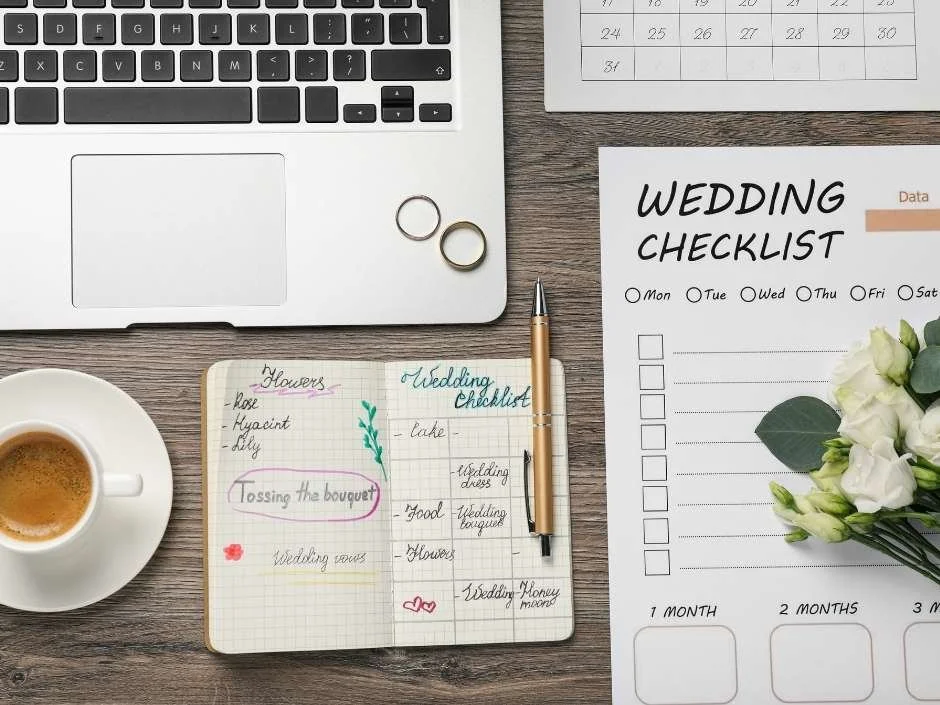
Indiana's cost structure offers a genuine advantage for couples doing an honest comparison. Indiana’s wedding market statistics reported the average Indiana wedding cost was $30,180 in 2025, with a median of $17,192, placing the state 41st nationally for total wedding spending and well below the $34,200 national average. Indiana hosted approximately 39,650 weddings in 2025, generating over $1.2 billion in total industry spending, which reflects a healthy, active market without the cost premium of coastal and major metropolitan venues.
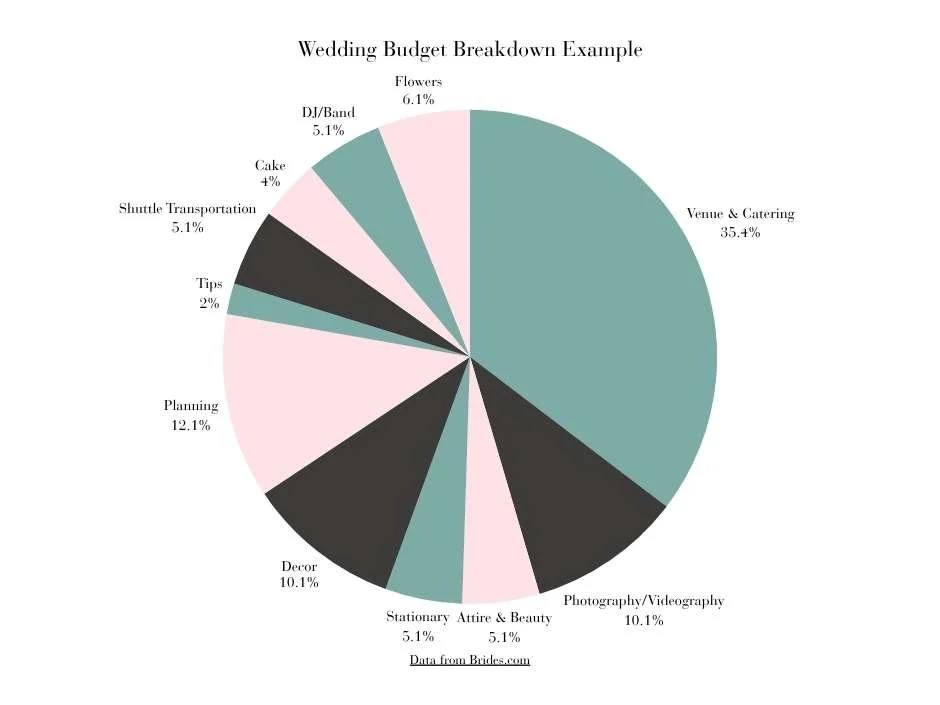
The venue represents 24 to 40% of the total wedding budget, making the all-inclusive versus a la carte decision one of the most consequential choices in planning. All-inclusive packages provide cost certainty, reduce the vendor coordination burden, and prevent the cost from creeping up, turning a comfortable starting quote into a substantially larger final number. A la carte planning offers genuine creative control and vendor freedom, but it requires active management and typically produces more late-stage budget surprises than couples anticipate when they sign.
Kaleidoscope's Transformation Packages offer a thoughtfully designed middle path: curated aesthetic packages across a range of styles, from Blush to Black Tie, that establish a cohesive visual direction without limiting couples' choices on catering, entertainment, or photography. For couples who want to explore Indiana's full venue landscape before committing to a direction, our guide to affordable wedding venues in Indiana covers the state's strongest options across styles and budgets.
_______________________________________________________________________________________________________
Frequently Asked Questions About Choosing a Wedding Venue
What should I look for when choosing a wedding venue?
Start with four criteria: vision fit, functional capacity, total price transparency, and the quality of the venue team. A space that performs well on all four is genuinely rare and worth booking quickly. Beyond those practical measures, your instinctive response to the space itself carries real weight. A venue that feels wrong in person, regardless of how compelling the photos are, is communicating something worth listening to. Gut response and emotional fit are not sentimental shortcuts around practical thinking. They are information.
How far in advance should you book a wedding venue?
For most weddings, booking 12 to 14 months in advance is the recommended standard. For peak-season, which is usually Saturdays during spring and fall, that window extends to 18 months or longer at any venue with meaningful demand. This same guidance suggests that 52% of couples begin planning a year or more before their date, which means the dates that feel comfortably far off are often the ones that disappear first.
What questions should I ask a wedding venue before signing a contract?
Beyond pricing and capacity, ask about exclusive-use policies, vendor restrictions and any associated fees, setup and teardown access windows, weather contingency plans for outdoor spaces, overtime policies, and the cancellation terms for both parties. The answers to those questions matter. How willingly and specifically the venue team answers them matters equally. Vague or deferred responses to direct questions during a low-stakes inquiry preview the communication dynamic you will experience when something genuinely needs resolving closer to your date.
What is the difference between an all-inclusive wedding venue and a blank slate venue?
An all-inclusive venue bundles the space with a defined set of services, typically décor, catering, and coordination, at a packaged price. A blank slate venue provides the space and leaves the couple to source and manage every vendor independently. The practical difference is in who carries the day-of coordination weight. All-inclusive venues reduce the volume of vendor communication, minimize setup complexity on the wedding morning, and provide cost certainty from the beginning. Blank slate venues offer more creative latitude, but they require the couple or a dedicated planner to hold the logistics together across multiple independent vendors who may never have worked in the same space before.
How do I know if a wedding venue is within my budget?
Request a full itemized cost breakdown before comparing venues on price. The base rental figure is rarely the complete picture once service charges, vendor fees, and overtime policies are factored in. Once you have the full number, assess the proportion: the venue should represent no more than 30 to 40% of your total wedding budget to leave room for the other expenses that shape the experience. About 89% of couples booked a venue in 2025, making it the most universally engaged wedding service category across all budget levels. Three in four of those couples said their wedding was ultimately worth the financial investment. That outcome is most consistently reached when the venue budget starts with honest, complete information rather than an optimistic estimate.
_______________________________________________________________________________________________________
The venue is where everything starts. It establishes the date, shapes the aesthetic, determines the vendor relationships, and sets the emotional register for every moment your guests experience from the time they arrive to the time they leave. The work of choosing it carefully is not a burden on the planning process. It is the first and most meaningful act of creating the day you actually want to have. Kaleidoscope Weddings and Events invites Indiana couples to begin that process in person.
Join the next Kaleidoscope open house for booked couples